
How to Stop Living on Autopilot and Be More Present Every Day
Ferris Bueller warned that life moves fast, and you might miss it if you do not stop and look around. You can reclaim small windows of attention and notice the world that’s often blurred by routine.
Simple mindfulness practices, short meditation sessions from apps like Headspace, and breathing exercises offer ways to pull your focus back into each moment. These steps reduce stress and anxiety, and help you appreciate people and surroundings during everyday tasks.
Choose tiny changes: pause while eating, take a brief break between tasks, or try a quick yoga stretch during the day. Such moves build a habit of awareness that shifts your time away from past or future worry and toward a clearer sense of life right now.
Use this guide for practical exercises, tips, and advice that fit into busy days. Small efforts yield steady gains in focus, gratitude, and mental calm.
Understanding the Autopilot Mindset
Your daily routines can mask a steady drift away from immediate life, leaving moments unnoticed. Recognizing that drift is the first step toward reclaiming attention and feeling more grounded.
Defining the Past and Future
Hannah Yang, PsyD, notes that absence of thoughts about the past or future is central to being present. She explains that depression often lives in the past while anxiety lives in the future.
When your mind fixates on what already happened or what may come, you miss the current moment. Learning this difference helps you notice when you drift into past future worry.
The Role of Awareness
Samantha Bender describes mindfulness as being in the current moment with awareness, without judgment. Regular practice and brief meditation sessions give you simple ways to observe inner things and outer surroundings.
- Recognize cues that pull your attention away.
- Use short mindfulness exercises to return focus to the present moment.
- Shift awareness often to reduce anxiety and the pull of depression.
The Mental Health Benefits of Being Present
Focusing on what is here now can change your mood and strengthen mental resilience. When you center attention on a single moment, you notice small details that lift your life and calm your nervous system.
You learn to accept feelings without judgment. That acceptance helps with anxiety and reduces stress in daily routines. Practicing mindfulness lets you live moment by moment and gain steady confidence.
- Prioritize mental health: staying attentive builds ease with comfort and discomfort.
- Grow gratitude: noticing good things in your life increases joy and connection with people.
- Manage anxiety and stress: simple mindfulness and short meditation practice keep reactions smaller.
- Stay linked to your body: sensing breath and posture helps counter depression and clears mental health signals.
- Find focus and wonder: being present sharpens attention and reveals beauty in the world and everyday things.
How to Be More Present in Your Daily Life
Simple acts of attention bring ordinary moments into clearer view. Use short, repeatable moves so awareness can stick in your day.
Redirecting Your Attention
Notice when your thoughts drift and gently return your focus. Mark that slip, then name one sensory detail around you.
- Set a two-minute timer and study a plant, as Hannah Yang suggests, to train deeper focus.
- Take one to five minutes to describe sounds and sights, following Samantha Bender’s tip.
- Make eating a short practice by putting away your phone during a meal.
- Block your time for each task so you can focus present on one thing rather than multitask.
- If staying anchored feels hard, work with a therapist for tailored advice and tips.
Use apps like Peloton for guided meditation or yoga when you need structure. Small breaks of mindfulness reduce anxiety and sharpen attention. Over weeks, these ways help you live moment by moment and notice more of life.
Training Your Focus Through Mindfulness Exercises
Intentional pauses create openings where awareness and calm can grow. Use short routines that fit your day and build steady gains in attention.
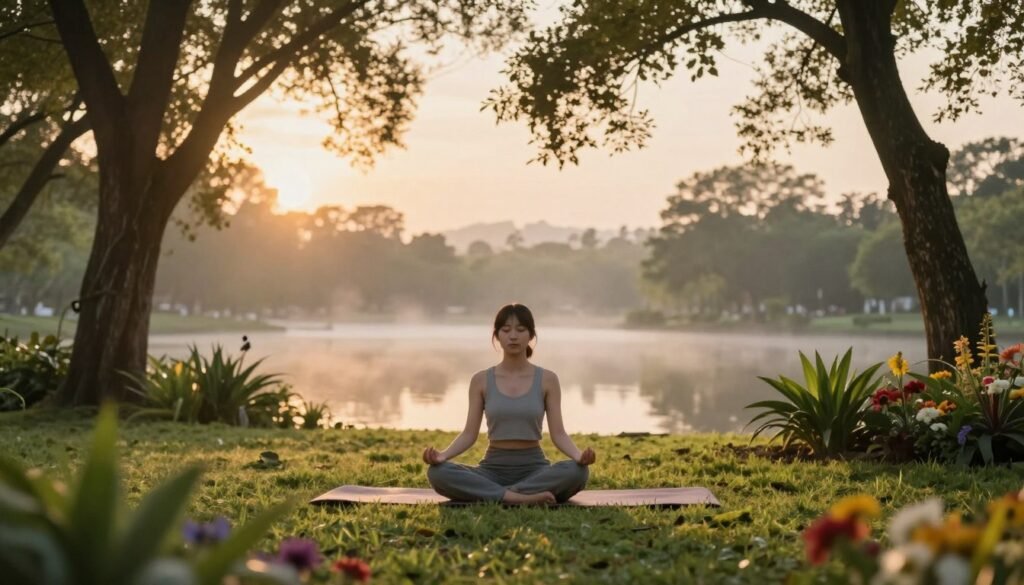
Meditation for Mental Space
A simple meditation creates mental space and reduces anxiety. Sit for five minutes, watch your breathing, and let thoughts pass without judgment.
Apps like Peloton offer meditation and yoga classes that guide you. Regular sessions lengthen moments of calm and sharpen focus.
Sensory Observation Techniques
Practice noticing small details in your surroundings. Name three colors of a leaf or listen to distant sounds for sixty seconds.
These sensory checks pull your mind away from past worry and toward the present moment. They also grow gratitude for ordinary sights.
Mindful Movement
Move with attention: try walking meditation, tai chi, or short stretches. Mindful movement links body signals with calm and eases stress.
- Quick check-ins reveal your innate focus.
- Breathing exercises release tension from the body.
- Dedicate brief time each day for these exercises to strengthen the mind-body connection.
Cultivating Presence During Work and Tasks
At your desk, tiny shifts in habit can anchor your focus and ease anxiety. Block time for each task when you arrive, and check email only every hour, as Hannah Yang advises. That simple structure keeps your mind on the current moment and reduces scattered effort.
Samantha Bender suggests hiding your self-view on video calls. Removing that small distraction helps you focus on the person across the screen and hear them more fully.
Use short meditation pauses before starting a complex project. Even sixty seconds of breath work brings clarity and lowers stress.
- Block distinct time slots for tasks so your day flows with intent.
- Practice active listening in meetings to stay engaged with coworkers.
- Apply brief mindfulness checks when surroundings feel chaotic.
When you concentrate on a single task, you reduce anxiety about the rest of your life and improve output. Keep these exercises steady, and you will live moment by moment at work with better focus and calm.
Connecting With Your Emotions and Heart
Letting your heart guide small choices opens a clearer sense of feeling and connection. You can learn to listen inward and notice what moves you without judgment.
Leo Babauta, after many years of mindfulness work, urges physical expression as release. Use gentle actions when energy builds. This practice links the body and emotion so you can move with honesty.
Try brief ways of opening your heart during daily life. Simple breathing brings calm and a clearer channel for feelings. When you meet someone, look for the sacred in that person and let your attention soften.
- Allow physical release when needed—safely—so tension does not store in the body.
- Feel tenderness toward the world and offer that warmth to those you meet.
- Speak and listen with full regard for people, honoring their presence.
- Practice short gratitude habits to deepen appreciation and steady your mood.
Creating a Supportive Environment for Awareness
Your surroundings shape attention; a calm room invites your mind to settle.
Design your home or office so small cues guide gentle focus. Simple choices—clear surfaces, soft lighting, and an uncluttered desk—cut distraction and support daily mindfulness.
When objects are orderly, you notice feelings and thoughts more easily. That awareness helps you handle stress and enjoy ordinary parts of life.
- Remove screens and alerts from key work areas to reduce mental noise.
- Add a plant or natural light source to signal calm and steady attention.
- Create a brief ritual—five deep breaths or a single stretch—before starting tasks.
- Keep a small gratitude list where you can see it; this anchors awareness during busy hours.
Curate a space that reflects your goals. With a supportive environment, your practice of mindfulness grows steady, and daily life feels clearer and more engaged.
Conclusion: Embracing a More Mindful Future
A few steady practices can transform ordinary time into a life you notice.
Be gentle with yourself as you adopt habits; forgetting is normal and part of the practice. Start with one or two minutes when your mind wanders and name a sound, a color, or a breath.
These small ways cut anxiety and stress and strengthen health. Use meditation, yoga, or brief breathing exercises, and seek a therapist for tailored advice when tasks feel heavy.
Keep attention on tiny things that bring gratitude. Over days, you will live moment by moment and carry a calmer sense of future into the world.
.