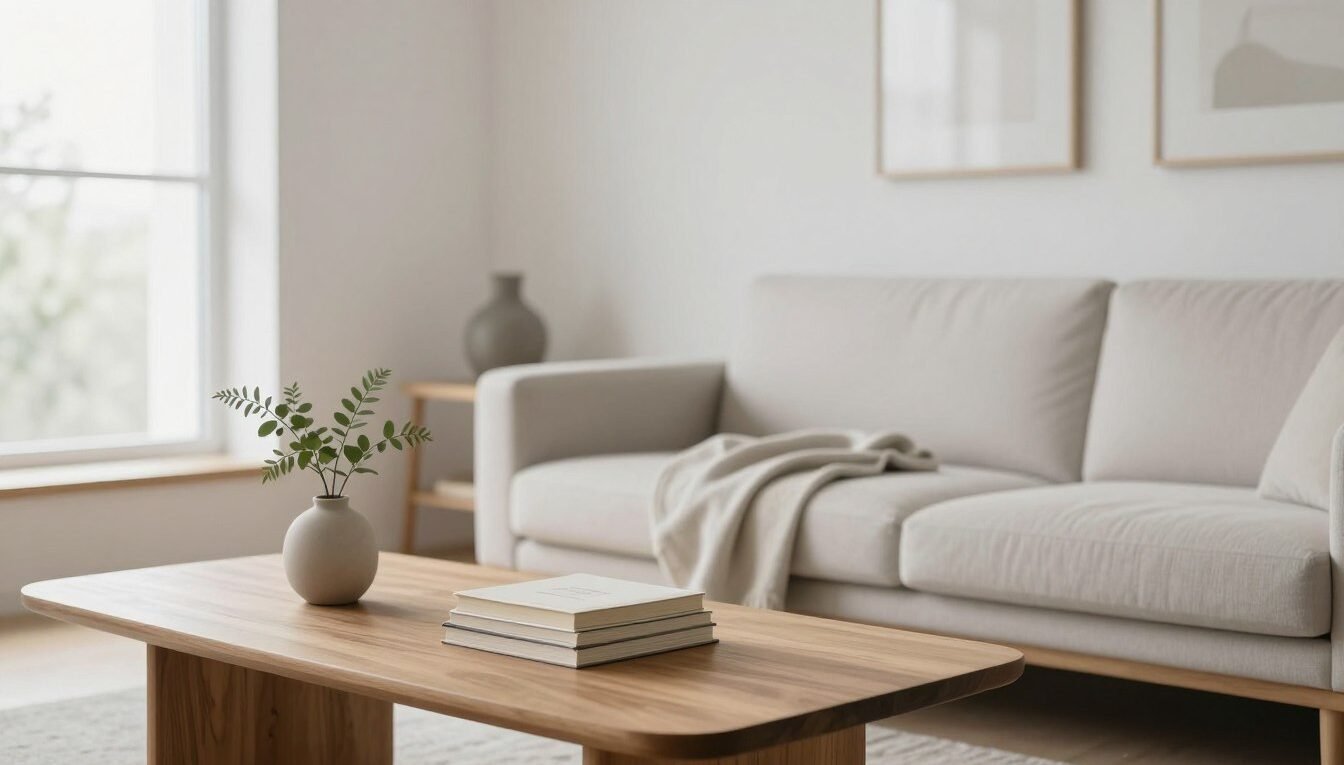
How to Live a More Minimalist Life Without Going to Extremes
Hans Hofmann taught that simplifying means removing the unnecessary so the necessary can speak. That idea guided many people who wanted more freedom in their days.
In 2011, Conni publicly embraced a simpler way after reading blogs like ZenHabits and Exile Lifestyle. She found that physical things often created daily overwhelm and took time away from real experiences.
This short guide shows a practical approach you can use at home and at work. You will learn to reduce clutter, limit media and emails, and save money by keeping fewer items that matter.
Follow this process to spend time on quality experiences, not on managing a lot of stuff. Small steps can change how your house feels and how your life unfolds.
Understanding the Philosophy of Minimalism
Minimalism is a movement that aims to clear both physical and mental space so you can focus on purpose. This section explains what simple living means and why intentional choices matter in your daily life.
Defining Simple Living
Simple living asks you to reduce excess stuff so the important things stand out. When you remove unneeded items, your home and mind gain room to breathe.
- It is a way of living that helps people let go of excess and find focus.
- Defining simple living creates space in your home and your schedule.
- You manage fewer items and spend energy on what truly matters.
The Value of Intentionality
Intentionality changes how you spend time and money. You choose items and activities that reflect your values instead of following social pressure.
Many people discover they need fewer things to be happy. This article will show practical ways to reduce clutter and live with more purpose.
Core Benefits of Adopting a Minimalist Lifestyle
Clearing excess items can free mental energy and make room for what truly matters in your daily life. Research shows mess creates cognitive overload and raises cortisol, which increases stress.
Minimalism helps you get rid of clutter so your home becomes calmer and your mind can focus. Neuroscience research finds the brain uses extra effort to filter physical objects, so fewer items mean less mental work.
When you reduce stuff, you also reclaim time. You spend less time cleaning, searching, and managing belongings. That time returns to activities and experiences that bring joy.
- Lower stress: less clutter reduces cortisol and mental load.
- Better focus: a simpler space helps your mind work more efficiently.
- More freedom and money: you buy fewer items and save time on upkeep.
- Higher quality of living: you prioritize experiences over a lot of possessions.
Adopting this approach is a practice that helps people live with more intention. Over time, gratitude replaces impulse, and you notice more joy in everyday life.
Starting Your Journey with Small Steps
A single focused hour can start a chain of changes that simplify how you live. Small steps make the change steady and less stressful.
The Power of Small Wins
Conni recommends tiny actions because they stick. You build momentum when you choose one small area each day.
These wins protect your time and help you learn a new way of living. They also show that you can improve your life without tossing all your things at once.
- Declutter your wardrobe for one hour to see immediate results.
- Focus on one drawer or shelf per day to avoid overwhelm.
- Use short, repeatable steps to keep the process sustainable.
- Celebrate small wins to maintain motivation and clarity.
- Over time, this approach becomes the way you make intentional choices.
Decluttering Your Physical Living Space
Your home has a big effect on how you feel each day. Making small, steady edits creates more space and saves time on chores.
Kitchen and Bathroom Decluttering
Start with counters and drawers. Remove duplicate tools, expired products, and gadgets you rarely use.
Clear out paper, old coupons, and stray receipts. Fewer items make cleaning faster and give you room to breathe.
Managing Sentimental Items
Use Marie Kondo’s question: does this spark joy? If the answer is no, consider a photo instead of keeping the object.
Conni once lived with 100 things while traveling. Her example shows you can keep meaningful belongings without a lot of stuff.
Donating and Selling Excess
Donate or sell kitchen tools, books, or wardrobe pieces you no longer wear. That gives them a new life with other people.
- Get rid of items that don’t serve your current life.
- Photograph sentimental objects to reduce physical clutter.
- Sell or donate to free space and help others.
Implementing the One In One Out Rule
A single, practical practice helps you control what enters your space and what stays. The one in, one out rule asks that when you bring a new item home, you choose an old thing to remove.
This habit is an easy way to avoid slow accumulation of stuff. Conni predicts that if you pack up your belongings, you will only need and unpack about 20% of your things. That shows how many items you rarely use.
Use the rule to be intentional about purchases and to get rid of clutter before it grows. Over time, limiting items frees time and reduces the mental load of managing possessions.
- It prevents you from collecting more things than you can manage.
- It forces choices that match your life and values.
- It helps people see which items are truly necessary.
Curating a Functional Capsule Wardrobe
When your closet holds fewer, better pieces, getting dressed becomes a simple ritual. A capsule wardrobe focuses on versatile cuts and timeless colors so you can mix and match with ease.
This approach supports minimalism without forcing extremes. By choosing higher quality items that serve several roles, you cut down on things you must manage. That saves time each morning and reduces daily decision fatigue.
- Pick core pieces that work across seasons and occasions.
- Prioritize fabric and fit over quantity to extend each item’s life.
- Limit repeats: own items you love and use often, not stuff you ignore.
- Swap out a single piece when your style shifts instead of buying many at once.
Over time, this way of curating defines your personal style and keeps your life focused on quality. You end up with fewer things but more confidence in what you wear.
Managing Your Digital Environment
Your digital space shapes how calm or scattered your mind feels each day. Reducing digital clutter gives you more time and a clearer way to focus on what matters.
Start by tracking how you spend time online. Conni uses RescueTime to get weekly reports that reveal wasted hours and help her set limits. You can use similar tools to spot where media and notifications steal your attention.
Reducing Screen Time
Set simple rules: no phones during meals, a single block for social media, and scheduled breaks for email. These steps reduce stress and protect your mind from constant input.
Digitize paper documents to save space and get rid of boxes that pile up. Forbes reported in 2021 that businesses waste $8 billion on paper management—so scanning saves time and money at home too.
Inbox Zero Strategies
Control emails with a few practical practices. Use filters to route newsletters, unsubscribe from what you don’t read, and batch-process messages twice a day. Aim to delete or archive quickly so your inbox stops nagging you.
- Monitor screen time with an app like RescueTime to find habits that cost you time.
- Digitize important paper to free physical space and reduce clutter.
- Create rules and filters so emails arrive in the right folders and don’t distract you.
- Schedule focused work blocks where notifications are off and your mind can do deep work.
Applying the Pareto Principle to Your Work
Identify the 20% of tasks that produce 80% of your impact and prioritize them each day. The 80/20 rule helps you spot the few actions that move projects forward and free you from busywork.
When you focus on high-impact work, you cut the number of low-value things that steal your time. This way of working reduces decision fatigue and creates space in your life for deeper effort.

Use a simple audit: list weekly tasks, mark those that drive results, and schedule blocks for them. Remove or delegate the rest. Over time, this creates a clear work rhythm that matches the goals you value.
- Find the 20% that yields most results and protect that time.
- Eliminate or delegate repetitive activities that add little value.
- Repeat the audit monthly to keep focus and refine your approach.
Applying the Pareto Principle at work is a practical route to minimalism in your professional life. Prioritizing high-impact tasks helps you do more in less time and keeps your daily routine balanced and productive.
Financial Minimalism and Intentional Spending
When you track where money goes, you regain control of time and choices. Financial minimalism helps you focus spending on what matters and prepares you for rising costs.
Tracking Your Expenses
A clear budget shows the truth. A 2022 CBS analysis found food, housing, and healthcare rose faster than wages. That gap makes deliberate spending more important.
Start by recording monthly bills, subscriptions, and small purchases. You will spot items you rarely use and subscriptions to cancel. Living below your means lets you buy experiences instead of more things.
- Track every expense for one month to see patterns.
- Cut or pause subscriptions that add little value.
- Allocate money to savings and investments before discretionary buys.
- Use simple apps or a spreadsheet to keep this process fast.
Being intentional with money reduces the time you spend worrying about bills. Over months, this way of managing cash secures your future and gives you more freedom in life.
Cultivating Meaningful Relationships
Prioritizing a few strong connections changes how you use your time and your space. Who you spend days with shapes habits and values.
It is often said you are the average of the five people you spend the most time with. Use that idea to choose relationships that support minimalism and a calmer life.
Be intentional about who you let into your inner circle. Make sure those people align with your values so deeper bonds can form.
- Focus on people who inspire and uplift you rather than on quantity of contacts.
- Prioritize quality experiences over superficial meetings to protect your time.
- Remove or limit relationships that drain energy so your lives stay healthier.
When you choose well, you trade excess social clutter for a few strong ties. In that way, you spend time on the people who truly matter and keep fewer things demanding your attention in daily life.
Prioritizing Experiences Over Material Possessions
Choosing memories over more items shifts your focus from acquiring to living. Social Indicators Research shows that satisfaction with your standard of living shapes overall life satisfaction.
Prioritizing experiences instead of things brings more joy and freedom to daily life. When you stop buying stuff you do not need, you free money and time to invest in quality moments with people.
This shift in mindset helps you see that your life is defined by what you do, not by the items you own. Memories from travel, a shared meal, or a class last far longer than the temporary lift from new purchases.
- Choose one experience this month over a small purchase to test the change.
- Share events with people who add meaning, not with those who drain energy.
- Track where you spend time and money; reallocate toward quality and growth.
- Let minimalism guide you to fewer items and more rich moments in life.
Mastering the Art of Saying No
Every refusal creates space for what matters most in your daily routine. Saying no is a core practice of minimalism that helps you protect your time and shape your life around real priorities.
When you decline events, offers, or requests that do not fit your needs, you get rid of unnecessary stress. Clear boundaries keep your mind free from social media and other clutter. That creates focus for the work and relationships that matter.
Use mindfulness to guide decisions. Ask whether an invitation or item adds value or simply fills your schedule. Saying no is not rude—it is a way to defend your freedom and energy.
- Protect time for high-impact work by declining low-value asks.
- Limit media and notifications so your mind stays calm.
- Prioritize items and experiences that truly matter to your life.
Mastering this simple skill reduces stress and keeps you focused. It is an idea that makes practical minimalism about choice, not sacrifice.
Establishing Sustainable Daily Routines
Build a simple daily routine and you steady the rest of your day.
Conni focuses on only three tasks per day. You can adopt that method to keep time clear and avoid stress.
When you limit your daily things, your mind holds less clutter. That creates space for work, rest, and what matters in life.
Make sure to include short pockets for mindfulness. Ten minutes of focused breathing or a quick walk helps you reset during busy years.
Consistency keeps your home organized and supports living with fewer demands. Small habits folded into every day become an enduring practice.
- Pick three core tasks and complete them before adding more.
- Schedule two short mindfulness breaks to clear mental clutter.
- Protect blocks of focused time and guard them like appointments.
- Repeat this routine for weeks so the habit lasts over years.
Overcoming Common Misconceptions
Many people think you must live with almost nothing to practice minimalism, but that idea is misleading.
You do not have to strip your home to feel calm. Instead, focus on items that add value to your life and clear what distracts your mind.
- This article shows minimalism is about choice, not deprivation.
- You do not need to get rid of every object; keep what serves you and remove clutter that drains energy.
- The guide proves the approach adapts to different homes and routines, so it fits your unique life.
- Clearing these myths frees your mind to use the method as a flexible tool, not a strict rule.
When you drop the false notion that less must mean less joy, you can use this guide to shape a balanced life. The idea is simple: keep what matters and let go of the rest.
Essential Minimalist Lifestyle Tips for Beginners
A few intentional choices each week will change how your belongings shape your life. Start with one small decision so the process feels doable and steady.
Consider radical examples: Andrew Hyde lived with 15 things for a year, and Colin Wright owned just 51 items at one point. Their stories show you can live fully with far less and still enjoy your day.
Follow voices who advocated living with intention, like Joshua Fields Millburn and Ryan Nicodemus. Their work focuses on keeping items that bring joy and removing what creates clutter.
- Start small: pick one drawer or shelf to clear each week to build momentum.
- Keep only items that serve a purpose or consistently bring joy in your home.
- Track where you spend time and money, then shift both toward quality experiences.
- Be patient: this approach takes years to learn, but it brings more freedom and better living.
Use this short guide as a process you can repeat. Over months, decluttering your house will free time and raise the overall quality of your lives.
Conclusion
Let deliberate choices free your days for more meaningful experiences. Focus on removing what drains time, not on strict rules, so you get space for the people and work that matter.
Declutter both physical and mental space to lower stress and align daily actions with your values. This is not about deprivation; it is about choosing more joy, not more stuff.
Start small, keep simple routines, and pick quality over quantity. Those steady steps compound into real change that fits your life in the United States and beyond.
Your journey will evolve. Be patient, adjust as you go, and measure progress by clarity, time regained, and how often you enjoy what you do.