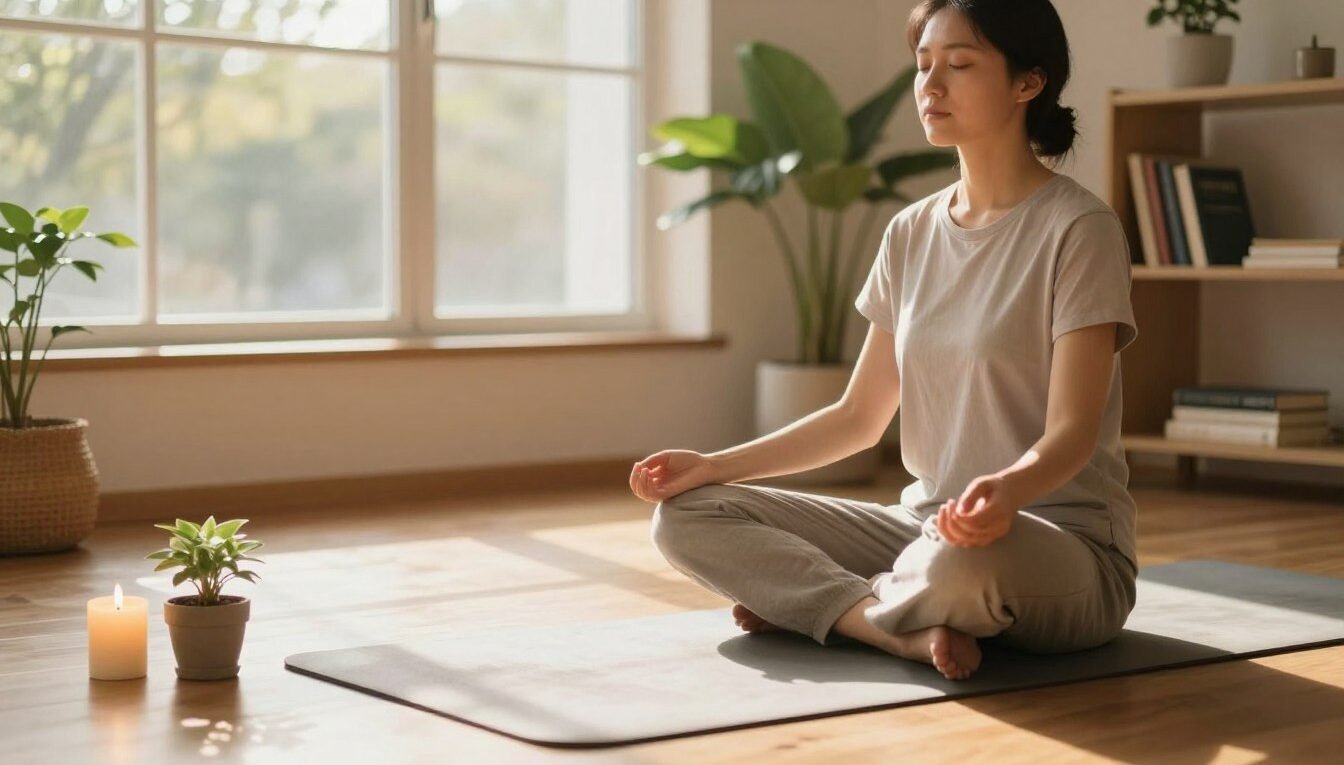
Mindfulness for Beginners: How to Start a Simple Daily Practice
Starting your journey with mindfulness for beginners can change how you meet each day. You will learn simple steps to bring more awareness into daily life. This introduction shows a clear, practical way to begin.
Set aside a small bit of time each day. A brief meditation practice of just a few minutes helps you focus attention on the breath and the present moment. This practice asks only that you notice thoughts and return to the breath.
People who keep a steady meditation routine report real benefits. You may feel less reactivity, more clarity, and steadier emotions. There are many accessible ways to fit short sessions into your schedule.
In the next sections, you will find guided steps, quick tips, and simple practices that fit into busy life. Start with a few minutes and build from there.
Understanding the Core of Mindfulness
Understanding what presence really means helps you change how you respond to stress. This short section defines two practical parts of the skill and shows how they work in daily life.
Defining Presence
Presence is the simple ability to notice the present moment without judgment. You observe sensations in your body, the flow of thought, and shifts in mood.
The Role of Curiosity
Curiosity changes how you relate to inner events. Instead of reacting, you lean in with gentle interest. That opens space between stimulus and response.
- You notice thoughts and emotions as passing events, not facts about you.
- You track breath and body sensations during brief meditation to build steady awareness.
- The practice trains your mind to pause and choose a calmer way to act.
The Science Behind Mindfulness for Beginners
Science now shows that simple daily attention training reshapes how your brain handles stress and focus. Jon Kabat-Zinn created the research-backed Mindfulness-Based Stress Reduction program and helped bring clinical study to this approach.
Research suggests a meditation practice of about 20 minutes gives clear benefits. In just minutes a day you train attention on the breath and reduce reactivity. This steady practice can support stress reduction and improve overall health.
Clinical trials link mindfulness-based stress reduction to lower anxiety and less chronic pain. Studies report structural brain changes tied to improved attention and emotional regulation.
- Regular meditation lowers stress and boosts focus.
- Breathing-based exercises help manage anxiety and pain.
- Twenty minutes most days is a practical guide to real benefits.
Understanding this science shows how small shifts in awareness can change daily life in a busy world.
Debunking Common Myths About Meditation
Many common ideas about meditation make the practice seem harder than it really is. You can clear up a few myths and feel more confident in a short amount of time.
Dispelling Misconceptions
You do not have to stop all thought to succeed. Thoughts will come. The real skill is noticing them and returning to your breath or a simple anchor.
You do not need expensive gear or to be an expert in yoga to begin a useful session. A few quiet minutes on a chair or cushion is enough to start a regular meditation practice.
- Wandering minds are normal; these practices train attention, not perfection.
- Mindfulness meditation helps with anxiety and daily stress, but it is not a cure-all.
- Spending a few minutes each day reduces pressure and builds steady habits.
When you let go of rigid expectations, the practice becomes practical and sustainable. Small, clear steps help you develop calm and focus in manageable ways.
Preparing Your Space and Mindset
Creating a clear space makes it easier to breathe, settle your mind, and begin. Choose a quiet corner with a simple seat or cushion. Keep lighting soft and remove distracting items.
You do not need a lot of time to prepare. Even a few minutes each day can bring real benefits to your health and reduce stress. A short meditation session of ten minutes or less fits most schedules.
Maintain an upright posture so your breathing stays steady. Sit with support under your body and relax your shoulders. This body alignment helps you stay alert and present in the moment.
- Pick a consistent way to begin so your mind recognizes the transition from busy life to stillness.
- Keep the area comfortable so your body feels supported during practice.
- Use the same chair or mat to cue the mind and make each session easier to start.
With a ready space and a clear cue, your daily mindfulness and meditation sessions become more reliable. Small rituals signal your brain that it’s time to rest and return to the breath.
Essential Techniques for Your Daily Practice
Small, reliable techniques help you turn a few quiet minutes into a meaningful meditation habit. Aim for at least ten minutes most days to build your mindfulness muscle.
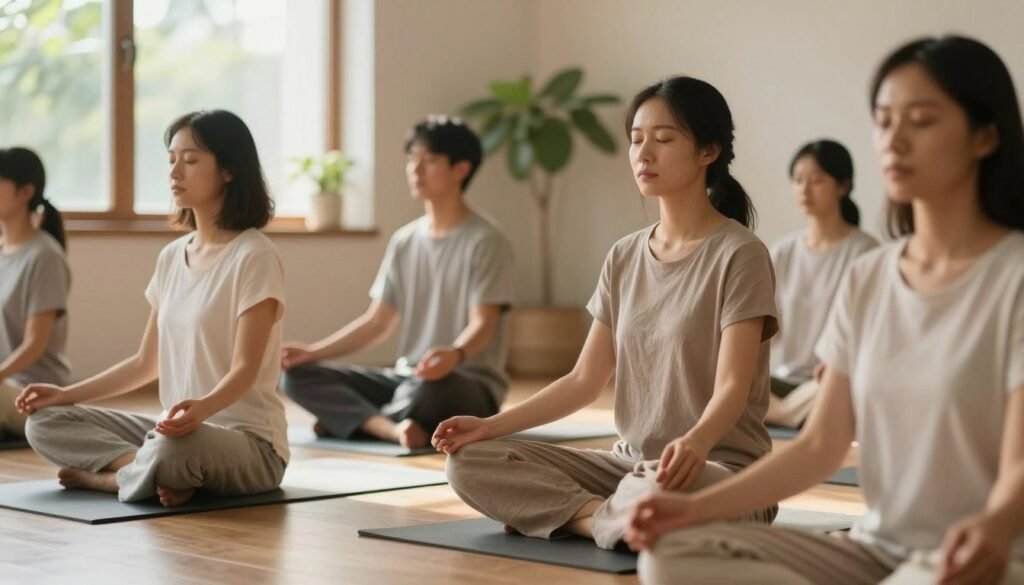
Focusing on the Breath
Settle on one simple anchor: the sensation of your breath entering and leaving your body. Let that anchor guide your attention and return to it gently when thoughts pull you away.
Using Sensory Anchors
Sound, touch, or the feeling of your feet on the floor can ground you in the present moment. Choose an anchor that fits your setting so you can bring back focus quickly.
Maintaining Posture
Sit upright with a supported spine and relaxed shoulders. A stable posture keeps you alert and reduces physical strain during the session.
- Experts recommend a daily meditation practice of 10 or more minutes to strengthen attention.
- When the mind wanders, gently bring back your focus to the chosen anchor.
- This mindfulness meditation practice is simple and repeatable in short blocks of time.
Navigating the Wandering Mind
When your attention drifts during practice, a calm response matters more than perfection. You will notice your thoughts moving to errands, noise, or memory. That is normal.
Even experienced people face this in a busy world. When you catch the drift, briefly note the awareness and congratulate yourself. Then bring back your attention to the present moment and the breath.
You might find your mind wanders to anxiety or to physical pain in the body. These moments are part of the process. Observe those things without judgment and let them pass.
- Notice the thought, name it, and return to your anchor.
- Spend a few minutes practicing this gentle return each session.
- Over time you build patience and steady attention in daily life.
Short sessions of focused meditation help you meet the next moment with more ease. The goal is steady awareness, not perfection, so keep practicing with kindness.
Integrating Awareness into Your Daily Routine
Small pockets of attention can steady your mood and sharpen focus across the day. You do not need long sessions to make a real change.
Use brief pauses that fit your schedule. These micro-practices take three to ten minutes and plug easily into work, commuting, or chores.
Micro-Practices for Busy Days
Try a short breathing check before you start a task. Notice one inhale and one exhale. Then return to work with clearer attention.
Other quick ways include a mindful body scan standing at your desk, a single-minute sensory check while waiting in line, or a calm breath before meetings.
- Use a 3–10 minute breathing exercise to reduce stress and refill attention.
- Pause before shifting tasks to stay present and steady your mind.
- Bring this mindfulness meditation practice into daily life to maintain focus and reduce reactivity.
Enhancing Well-being Through Mindful Movement
A few intentional stretches prepare both body and attention for seated practice. Gentle motion loosens tight muscles and helps you sit with less strain.
Try ten simple yoga moves that take only minutes. Sync your breathing with each step to calm the nervous system and deepen focus.
- Release physical tension so meditation feels more natural.
- Use mindfulness while you move to bring attention to the present moment.
- Target chronic pain and reduce anxiety by noticing sensations in the body.
- Spend a short time each day on these practices for lasting benefits to your life.
These portable sequences support stress reduction and steady your breath before you sit. Over time, the combined effects of movement and meditation improve comfort, focus, and overall well-being in a busy world.
Long-Term Benefits for Mental Health
Regular attention training quietly builds resilience that shows up in daily choices. Over months, a steady meditation practice strengthens how you respond to pressure and pain.
Strengthening Neural Connections
Studies show long-term engagement, such as Jon Kabat-Zinn’s 8-week mindfulness-based stress reduction program, helps rewire brain networks. This rewiring boosts attention and emotional regulation.
Managing Stress and Anxiety
Short sessions of focused breathing and awareness reduce reactivity. Spend a few minutes each day and you build steady tools to handle anxiety, chronic stress, and recurring negative thoughts.
- Consistent practice improves focus at work and clarity in relationships.
- Regular minutes of sitting soften automatic reactions and lower pain sensitivity.
- Over time, these benefits meditation habits support better mental health and lasting stress reduction.
Conclusion
A few intentional minutes each day help you bring clarity and calm into ordinary life. Begin with short practice sessions and make them regular so small gains add up over time.
When you pause, you train your mind to rest in the present moment. That steady attention reduces reactivity and helps you act with more ease.
Consistency matters more than length. Even brief practice sessions strengthen focus and teach your mind gentle resilience.
Keep exploring these techniques and protect a small daily slot for your attention. Each minute you invest supports clearer thinking and better well-being.